
Oral Health for Caregivers
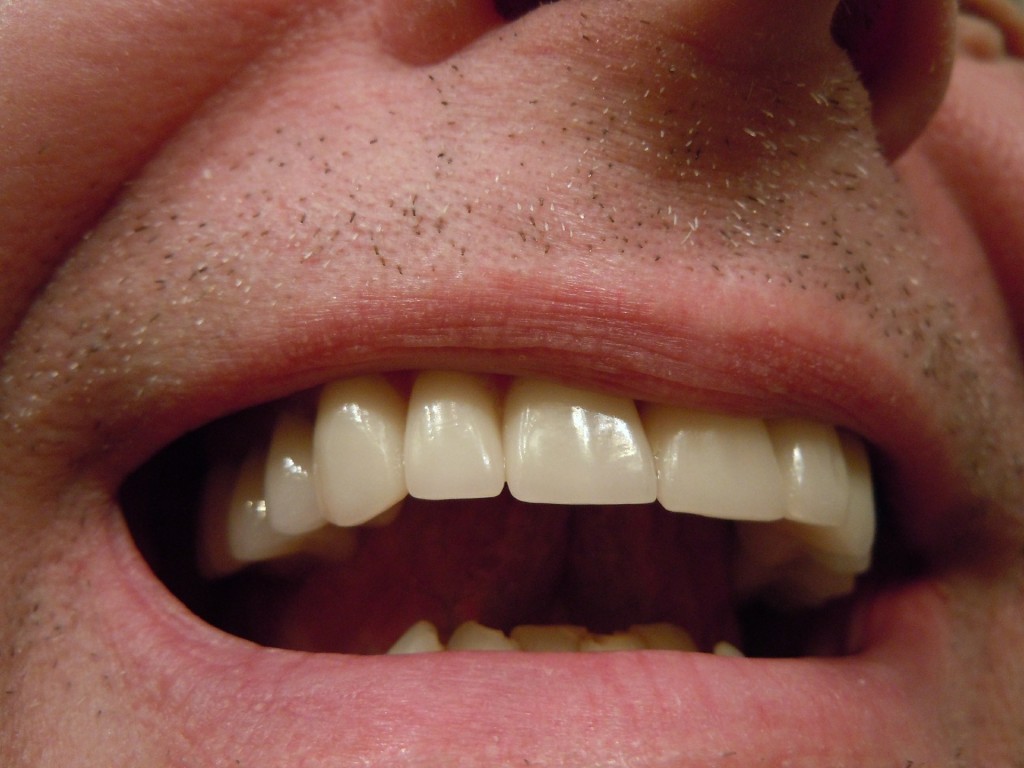
Anyone who cares for an older or disabled family member has an abundance of responsibilities. Maintaining adequate oral care is just one of many important aspects of overall health care.
Importance of Dental Care
Most professionals will agree that good oral health is important for ongoing safety, comfort, and self-esteem. Caring for teeth and the mouth helps prevent issues with tooth sensitivity and pain.
- Broken teeth or broken partials can also be a safety issue that affects swallowing.
- Having a sense of confidence and self-esteem is vital, and this comes from a neat appearance and good hygiene.
Potential Issues Preventing Self Care
If a family member has the ability to perform self-care, it’s always best to allow this independence. A care provider might need to provide gentle reminders to brush and floss.
- Older adults may have physical limitations that make it difficult to hold a toothbrush and dental floss.
- It’s also possible for people to have memory issues that make it easy to forget to brush and floss daily. For example, a person with dementia will probably need reminders to take care of their teeth every day.
Tips for Daily Care
Regardless of the situation, daily care is crucial for maintaining a healthy mouth. Follow these steps for helping older or disabled adults with their oral care.
- Brush teeth twice each day with a fluoride toothpaste for at least two minutes each time.
- Floss in between teeth or use a between-the-teeth cleaner at least once each day.
- Rinse dentures after every meal. Brush dentures daily with a denture cleaner. At bedtime, remove dentures and keep them in water overnight.
- Use an alcohol-free mouth rinse to remedy a dry mouth. Try using a humidifier during the overnight hours, sipping water, or sucking on ice chips for a dry mouth.
- Avoid sugary drinks and between-meal snacks. Choose healthy foods and beverages such as fresh fruits and vegetables, whole grains, and plain water for thirst.
- Make regular dental appointments, even for those with dentures.
- Stay vigilant to notice symptoms that could signal potential health issues, such as bad breath or sores that won’t heal. If symptoms appear, make a dental appointment right away.
- Consult a dentist with any questions about ongoing care or oral health issues.
Oral Health and Dental Resources for Caregivers
- Healthy Aging: Oral Health for Older Adults: Senior citizens might find it more difficult to take care of their teeth as they age. But, maintaining good oral care is important for avoiding disease and preserving function.
- The Aging Mouth and How to Keep it Younger: Older people have higher rates of gum disease, decay, tooth loss, and infections. With these risk factors, adequate oral care is more important than ever.
- Tooth Loss in Seniors Linked to Mental and Physical Decline: Tooth loss might be used as a marker for decline in older adults. Senior citizens without any of their natural teeth tend to perform worse in walking and memory tests than those who have been able to keep some or all of their natural teeth.
- Aging Changes Teeth and Gums: Just as aging impacts all of the cells and tissues in the body, it also affects the teeth and gums.
- Older American adults who are economically disadvantaged or who lack health insurance usually have the worst oral health.
- Senior Oral Health and Hygiene: Losing teeth does not have to be a part of aging, but this is a common issue for senior citizens.
- Nine Reasons Senior Dental Health Care Is Important: Dental care in the senior years is important because of correlations between oral health and concerns like heart disease and diabetes.
- Dental Care for Seniors: Common dental issues for seniors include dry mouth, root decay, and diminished sense of taste.
- Improving the Oral Health of Older People (PDF): A lack of oral health can have a negative impact on daily life for older people.
- More Oral Health Care Is Needed for Elderly Adults: Regular dental care is crucial for older adults.
- Oral Health and Older Adults (PDF): Careful oral care is important for recognizing potential symptoms of throat and mouth cancer.
- The Importance of Oral Health for the Elderly: Seniors who can’t brush their own teeth must have help to brush their teeth regularly to prevent decay and gum disease.
- Common Oral Conditions in Older People: Good oral hygiene also helps prevent potentially dangerous mouth infections.
- Denture Care: How Do I Clean Dentures? Removable dentures need to be taken out and rinsed after eating. Dentures are fragile, so handle them with care.
- Helping Seniors Care for Dentures: A senior with limited dexterity may need help caring for dentures properly.
- Denture Care for the Elderly: Brushing dentures should be done with a soft-bristled brush to prevent scratching and scraping them.
- Oral Care With Developmental Disabilities: Developmental disabilities such as cerebral palsy, Down syndrome, and autism can interfere with self-care activities that include oral care.
Dental Specialties
- Teeth Cleaning
- Dentures
- Same Day Dentures Clearwater FL
- Dentist Jacksonville
- Cosmetic Dentist
- Dental Implants
- Emergency Dentist Florida
Popular Services
- Sedation Dentist
- Affordable Tooth Repair
- Affordable Dentures Ocoee Reviews
- Teeth Whitening Expert
- Good Dentist Near Me
- Same Day Dentures Jacksonville FL
- Local Dentist With Payment Options
Locations and Procedures
Ready to book an appointment?
Book a consultation today or make an appointment using our convenient online appointment scheduler.
Book appointment

Enjoy the flexibility of paying through monthly payments.
CareCredit is a healthcare credit card designed for your health and wellness.
Learn more

A discount plan available to keep you and your family healthy.
Everyone is accepted and membership can include coverage for your family.
Learn more